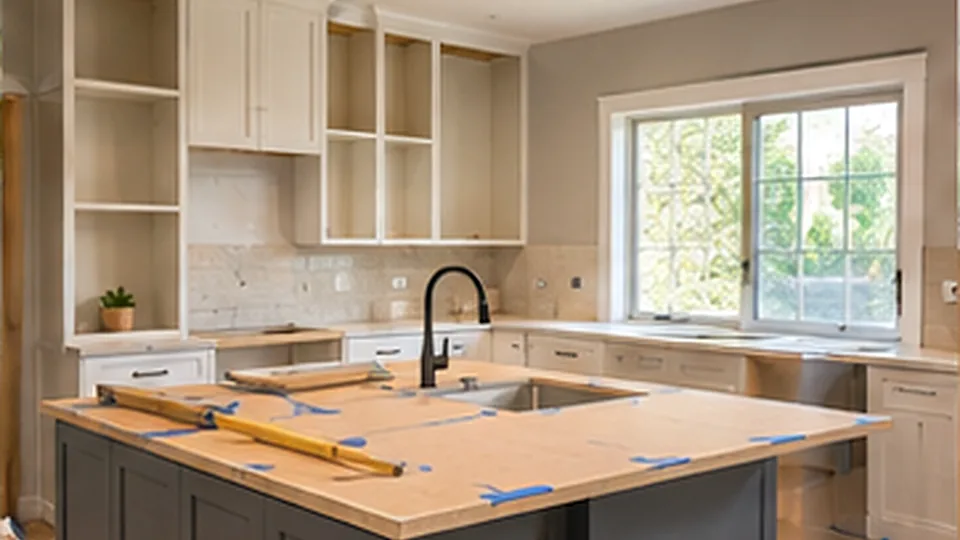
How to Compare Kitchen Remodel Quotes
A low total is meaningful only after the scope, allowances, exclusions, schedule and change-order rules are aligned. Compare the documents, not just their bottom lines.

What matters most
- Request the same drawings, specifications and scope from every bidder.
- Put allowances, exclusions and permit responsibilities into comparable columns.
- Price and authorize surprises in writing.
Get every bidder to price the same kitchen
Before you request prices, send each contractor the same room dimensions, current photos, appliance list, cabinet plan, material choices and list of tasks. Identify what stays, what is removed, and which fixtures or walls may move. Otherwise a lower number might simply omit cabinetry removal, electrical updates or countertop fabrication.
Ask whether the proposal is a fixed price for described work, a cost-plus agreement, a time-and-materials estimate, or a preliminary budget. These structures distribute risk differently. A single amount without a written specification is not an equivalent bid.
- Use the same scope sheet and revision date for every contractor.
- Name homeowner-supplied versus contractor-supplied products.
- Separate alternate work from the base proposal.
Compare the scope column by column
Create one row for each major package, including preparation, demolition, disposal, cabinet supply and installation, countertop templating and fitting, tile and grout, flooring preparation, electrical, plumbing, painting, permits, protection and cleanup. Where a line is absent, do not mark it as included merely because it seems obvious.
The objective is not to force identical pricing formats. It is to identify whether the delivered result will be the same. A contractor may include disposal inside demolition, while another shows it separately. Combine only equivalent work.
| Line item | Bid A | Bid B | Your follow-up |
|---|---|---|---|
| Cabinet removal and disposal | Included? | Included? | Confirm debris and transport |
| Countertop template and install | Included? | Included? | List sink and cooktop cutouts |
| Permits and inspections | Who obtains? | Who obtains? | Confirm jurisdiction and trade |
| Finishes and final touch-ups | Included? | Included? | Which walls and trim? |
| Unforeseen work | Change order? | Change order? | Who can approve? |

Read allowances and exclusions before prices
An allowance for fixtures, hardware or tile may not include tax, freight, installation or waste. Note the allowance amount, specification and how overages or credits are calculated. Ask for a statement of exclusions and a price or process for the likely omissions.
Two quotes may start thousands apart for reasons unrelated to workmanship. One includes a mid-grade appliance package and another assumes the homeowner buys appliances. Normalize those differences and ask revised questions before ranking bidders.
- Allowances list product and labor inclusions.
- Exclusions are explicit, not implied.
- Unit rates or written procedure for changes are included.
Side-by-side contractor quote comparison worksheet
Get a print-ready planning worksheet by email. We use your name and email to fulfill your request, not to sign you up for marketing.
Check timeline, payment and responsibility
Ask for the anticipated sequence of ordering, demolition, rough-in, inspections, cabinetry, counter fabrication and finish work. Material lead times can affect the schedule as much as trade labor. Confirm how delays, missing products and failed inspections are handled.
Compare deposit requirements, progress-payment milestones, warranties, proof of insurance and licensing where required. Verify credentials independently. The FTC advises obtaining detailed written estimates and being cautious about high-pressure sales tactics.
- Named project contact and trade coordinator.
- Milestones tied to described work.
- Payment and final punch-list process.
Make change orders auditable
Decide whether unforeseen work must be photographed, priced and approved before it begins, except urgent safety measures. Every change should describe why it is needed, exact work, added or reduced cost and days added to the schedule.
Require updated totals that reconcile the original contract with approved changes and credits. This avoids discovering at final payment that an allowance was billed twice or a previous selection remained in the price.
- Written description and evidence.
- Signed authorization and price.
- Revised completion implications.
The final comparison is a decision memo
Score each proposal on completeness, compatibility with your drawings, trade responsibilities, schedule, warranty and communication. Do not award based solely on a perfect-looking spreadsheet; ask each bidder to clarify unresolved items in writing.
If you are still deciding whether to move the kitchen layout, read the layout-change guide before issuing the final scope. If cabinet or quartz quotes are unclear, use the linked component guides to obtain comparable specifications.
- Retain versions and change logs.
- Resolve every major question before payment.
- Keep the contractor's written responses with the proposal.
Sources and scope notes
We distinguish published references from worked scenarios, which are not verified contractor bids. Review product instructions and local requirements for your own project.
- FTC: Avoid Home Improvement ScamsWritten estimates and contractor selection
- FTC: Consumer Advice on Home ImprovementWritten estimate contents, contractor verification and scam warning